Hognose Snake Care Guide: Size, Enclosure, Diet, and Temperament
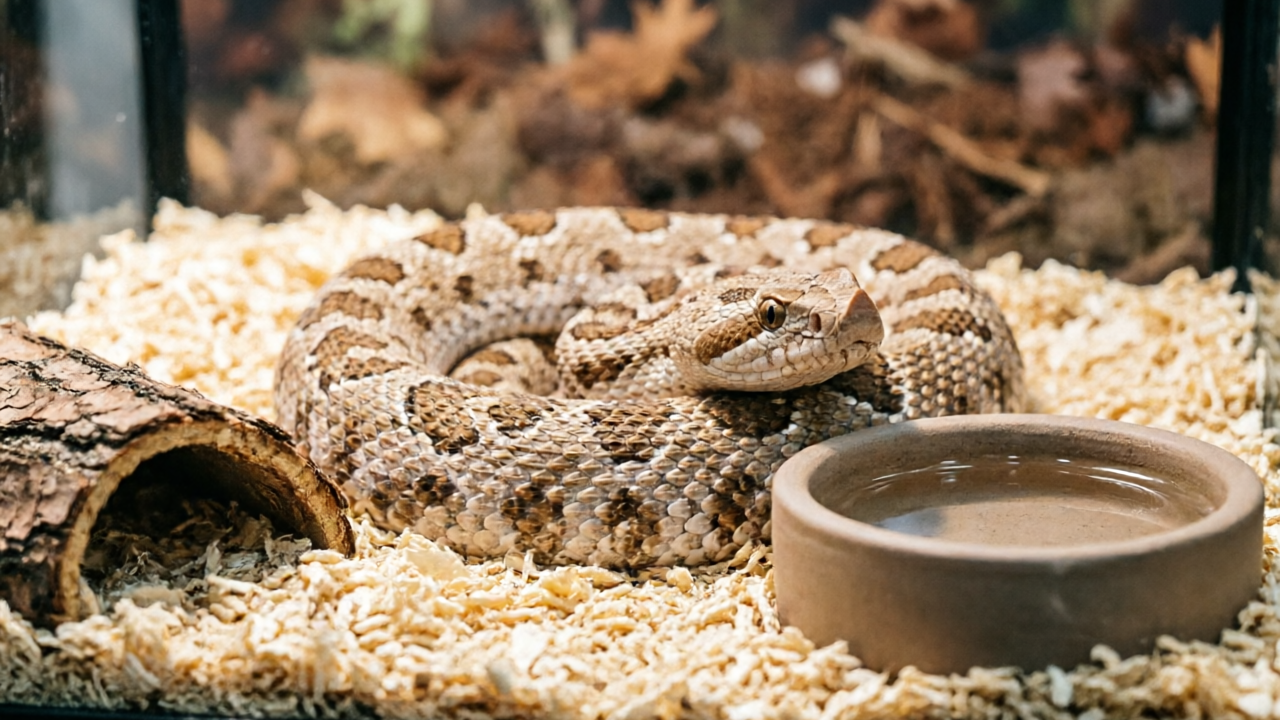
The western hognose snake (Heterodon nasicus) comes from the dry, sandy prairies of the Great Plains — Nebraska to Texas, up into southern Canada — and everything about it is built for that life. The upturned, pig-like snout is a digging tool for rooting through sandy soil. The flattened, mildly venomous rear fangs are for puncturing toads that inflate themselves as a defense. And the theatrics — the hood-spreading, the hissing, the full “I’m dead” convulsions rolled onto its back — evolved to fool predators in open country.
Of all the snakes people keep as pets, none has the personality of a hognose. They’re not the easiest beginner snake on paper — that title belongs to the corn snake or ball python, both more forgiving of husbandry mistakes — but no other snake will make you laugh. The playing-dead display alone makes them worth the extra attention to detail.
If you’re looking for something smaller, drier, and more dramatic than the standard starter snakes, the hognose is a strong candidate. They’re not for everyone — rear-fanged venom means you need basic respect — but for someone who wants a snake with character, they’re hard to beat.
At a glance:
- Enclosure: 20-gallon front-opening terrarium (male), 40-gallon (female)
- Temperature: 85-90°F warm side, 70-75°F cool side, 65-70°F at night
- Humidity: 30-50% (low — arid species)
- Diet: Frozen-thawed mice every 10-14 days (adults)
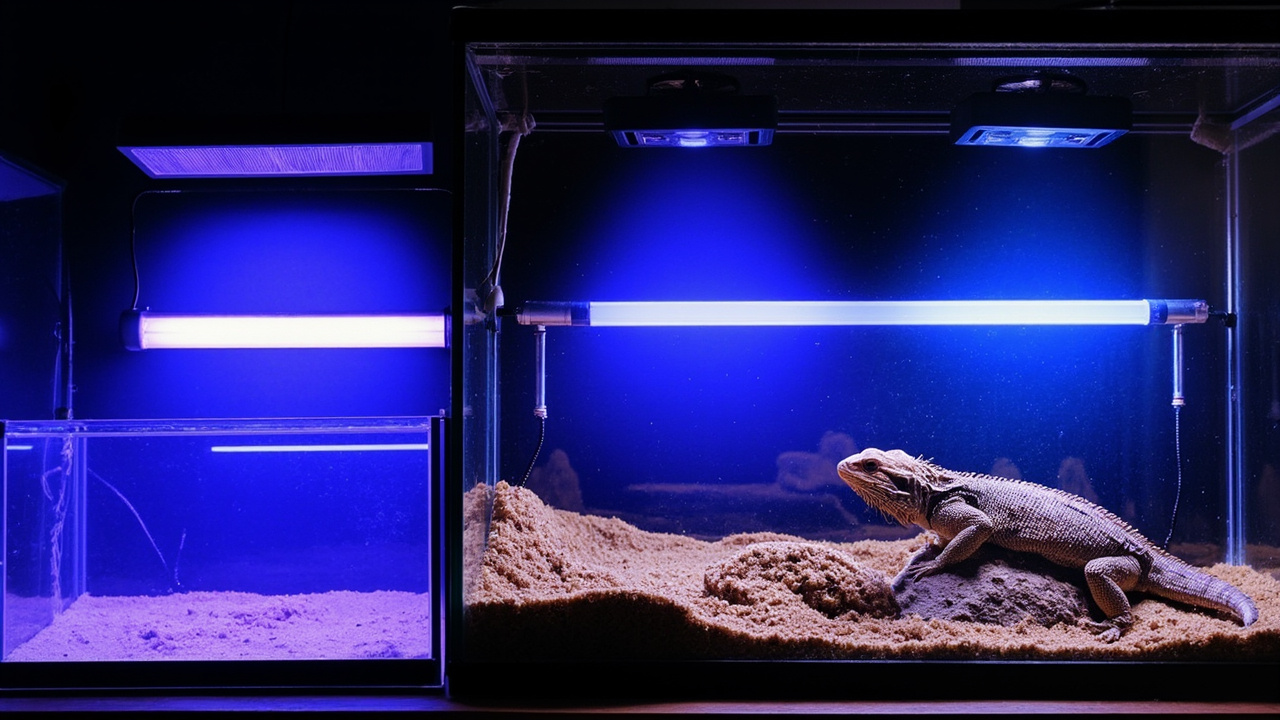
- UVB: Not required
- Lifespan: 15-20 years
Enclosure Setup
Hognose snakes are fossorial — they spend most of their time underground, tunneling through loose substrate in search of toads and rodents. A tall enclosure with climbing branches is wasted on them. What they need is floor space and depth — the horizontal footprint matters, and the substrate layer needs to be deep enough for them to fully submerge.
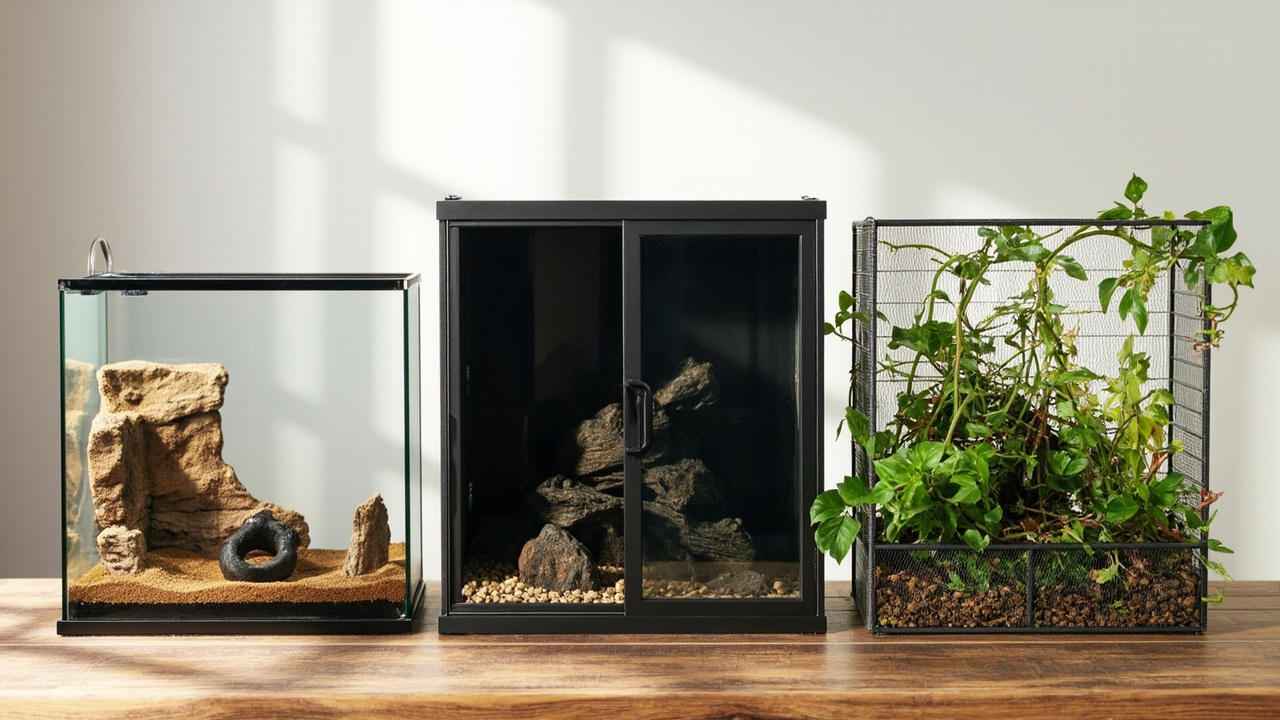
Escape-proofing is non-negotiable. Hognose snakes are persistent explorers and will work any gap between the lid and the frame. A front-opening terrarium with a screen top and secure lid clips solves this cleanly. For help selecting the right model, see our terrarium buying guide.
Tank Size (Male vs Female)
Hognose snakes have the most dramatic sexual dimorphism in the snake-keeping hobby. Males reach 14-24 inches fully grown — compact and manageable. Females hit 20-36 inches with notably heavier bodies.
This affects enclosure size directly:
- Male: A 20-gallon long (30”×12”×12”) is a lifetime home. The REPTI ZOO Glass Reptile Terrarium 20 Gallon ($168.13) is a solid pick — front-opening, escape-proof lid, and the 30×12 footprint is ideal for a male hognose.
- Female: 40-gallon (36”×18”×12”) minimum. Larger females with heavy-bodied builds benefit from 48”×18” enclosures.
- Hatchling: 10-gallon for the first 6-12 months. A 5-7 inch hatchling in a 40-gallon enclosure has trouble finding food and hides.
Use the tank size calculator to compare dimensions before you buy. Remember: floor space > height for this species.
Front-Opening vs Top-Opening
Front-opening enclosures are universally preferred for hognose snakes. Reaching in from above triggers their predator-avoidance response — to a small fossorial snake, a hand descending from the sky is a hawk. Front doors let you approach at eye level, which keeps the snake calm and makes spot-cleaning easier.
Whichever you choose, the lid must be secure. Hognose snakes are deceptively strong for their size and will push against loose screen tops until they find an exit. Weight the lid if necessary.
Enclosure Placement
Place the enclosure in a quiet, low-traffic room with stable temperatures between 65-75°F. Avoid windows with direct afternoon sun (overheating risk) and air conditioning vents (drafts cause respiratory infections). A spare bedroom or a corner of the living room away from the TV works well. Hognose snakes are diurnal — active during the day — so a natural day-night cycle from ambient room light is sufficient without special lighting.
Temperature and Heating
Hognose snakes need a thermal gradient with a warm basking zone. They don’t bask in the open like bearded dragons — instead they warm up by lying just under the surface of the substrate directly above a heat pad. The gradient is your primary husbandry priority.
Temperature Gradient
| Zone | Target Temperature |
|---|---|
| Warm side (substrate surface) | 85-90°F |
| Basking spot (surface temp) | 90-95°F |
| Cool side | 70-75°F |
| Nighttime floor | 65-70°F |
A night drop into the mid-60s is natural for a prairie snake. If your room stays above 65°F, turning the heat off at night is fine. Below 65°F, use a low-wattage ceramic heat emitter on a thermostat.
Heat Source Options
The standard setup is an under-tank heat pad (UTH) covering one-third of the enclosure floor on the warm side. Hognose snakes absorb heat through their belly while burrowed — a heat mat under the glass replicates the sun-warmed soil of their native habitat.
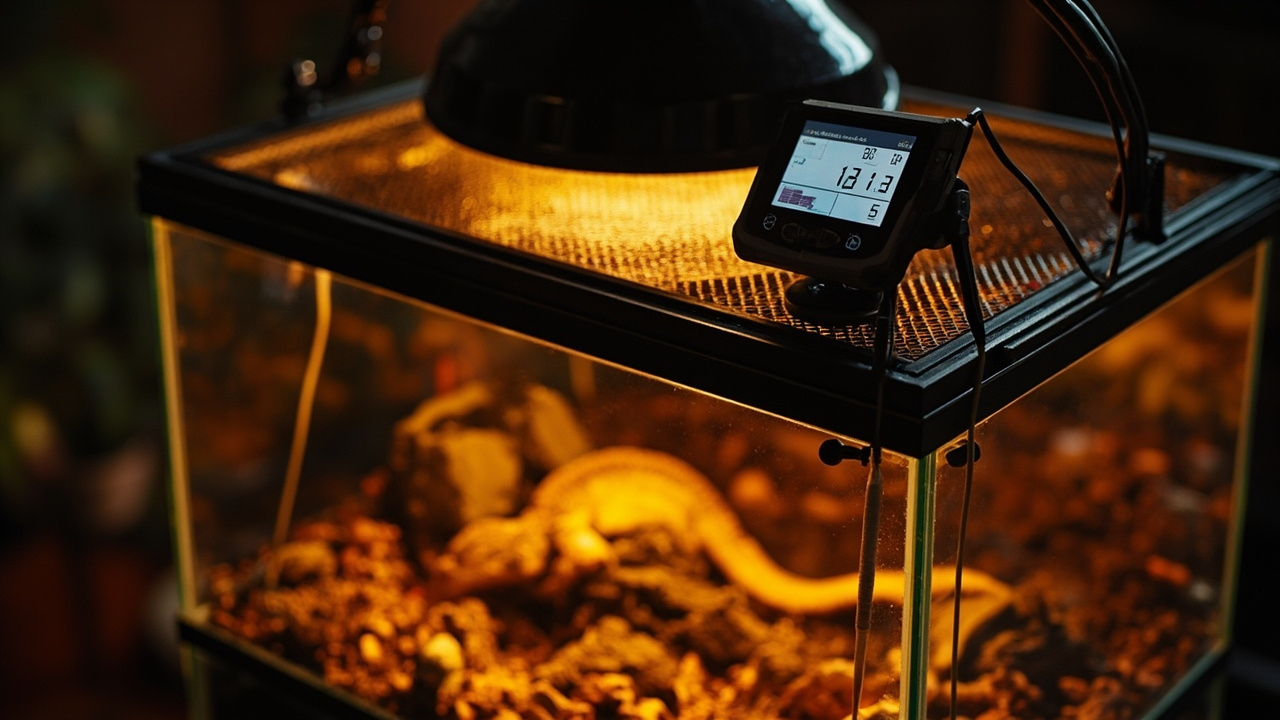
The BN-LINK Durable Reptile Heating Pad with Digital Thermostat ($29.99) includes the thermostat in the box — no separate purchase needed. Set the probe on the substrate directly above the pad, dial the thermostat to 88°F, and the system maintains the temperature automatically.
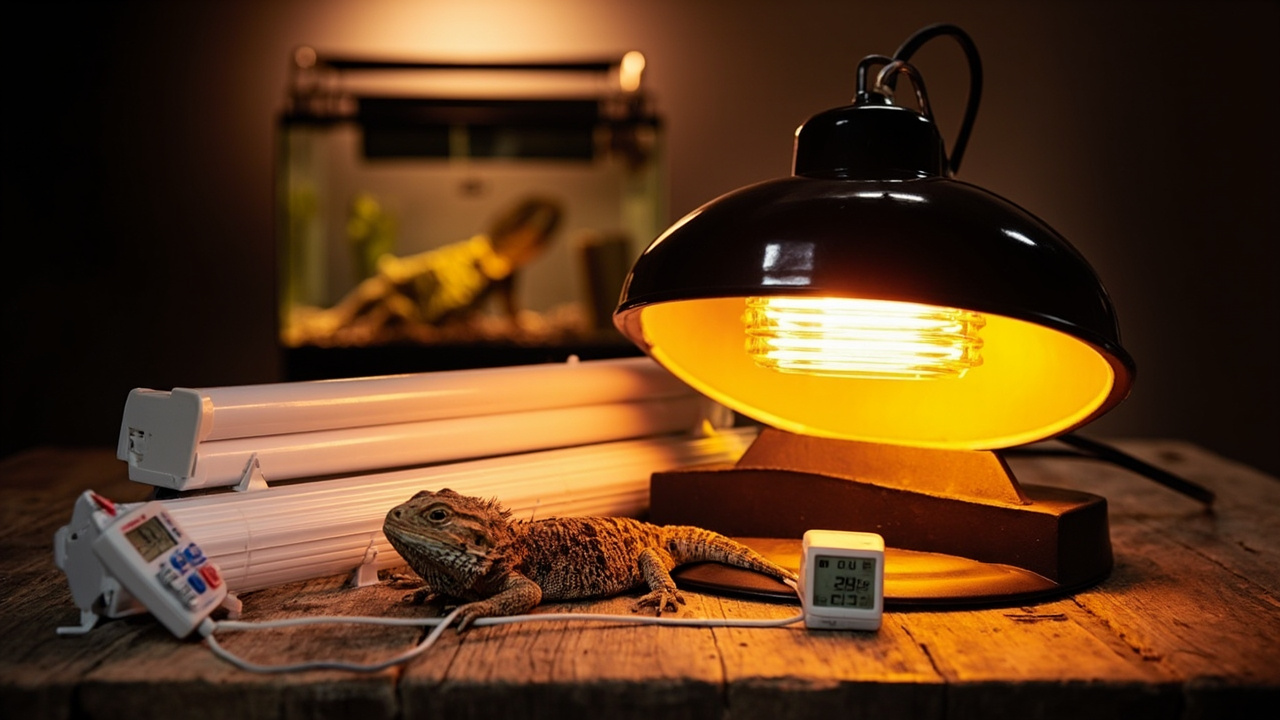
Never use a heat rock. They develop hot spots that burn snakes. No red bulbs or heat lamps are needed — hognose snakes don’t bask openly, and bright lights stress them in a small enclosure. For more on safe heating, see the heat mat guide, and for full lighting and heating setup, read our setup guide.
Temperature Monitoring
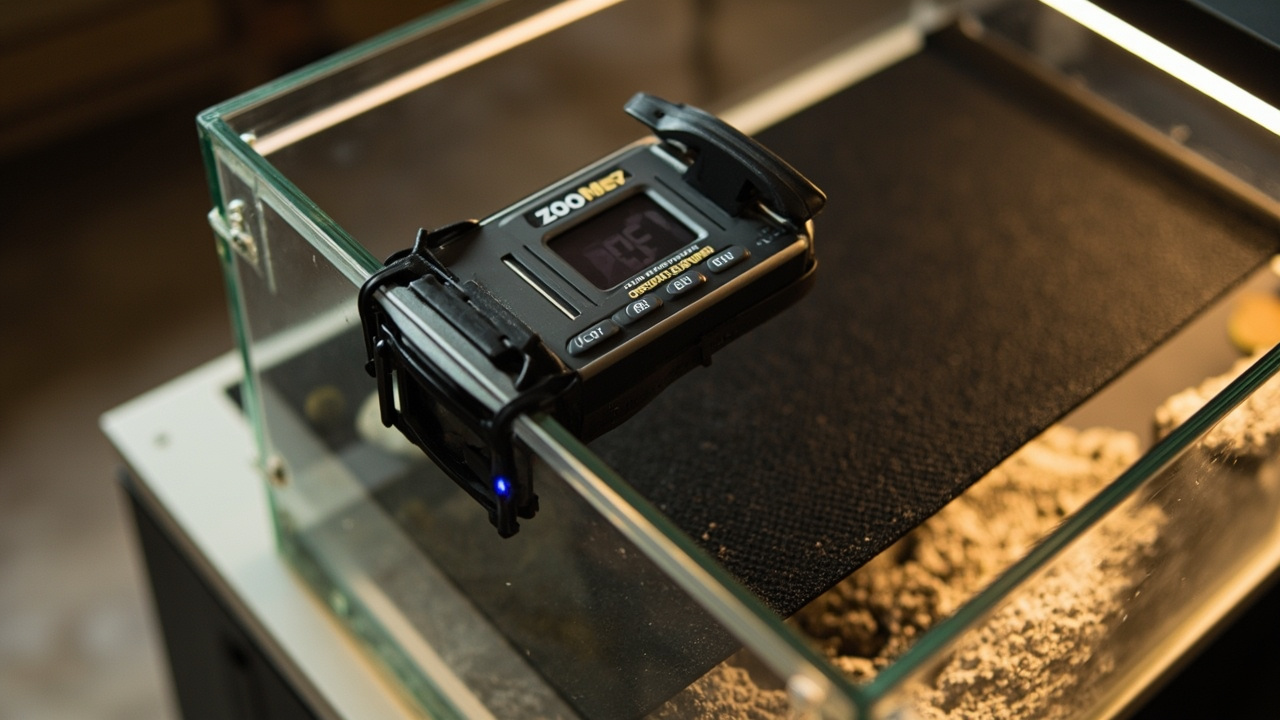
Place a digital thermometer probe on the warm-side substrate and a second on the cool side. The Vodolo Digital Thermometer and Humidity Gauge 2-Pack ($5.99) gives you both ends for under six dollars. Check temperatures daily — a UTH that drifts out of range is the fastest path to a sick snake.
Substrate and Humidity
The substrate choice for a hognose snake is less negotiable than it is for most species. Because they burrow — really burrow, not just nose around — the material needs to hold tunnels, stay dry, and not cause impaction when swallowed accidentally during feeding.
Substrate Depth and Type
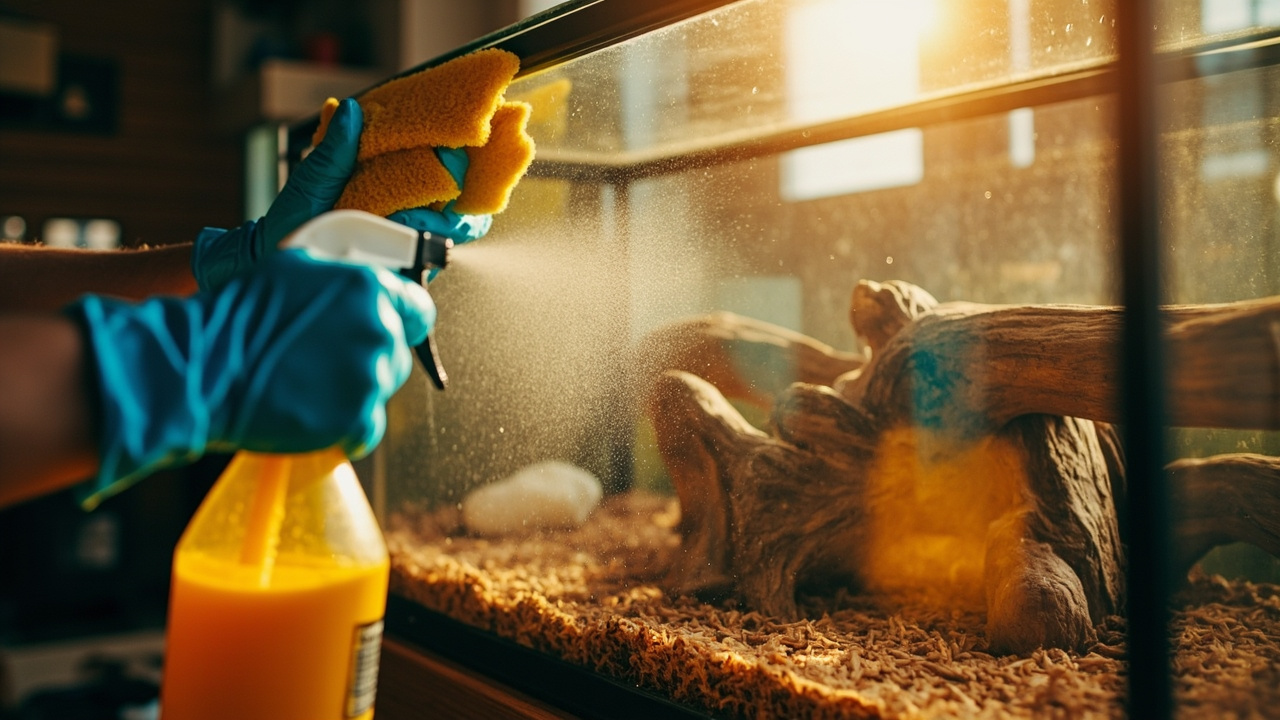
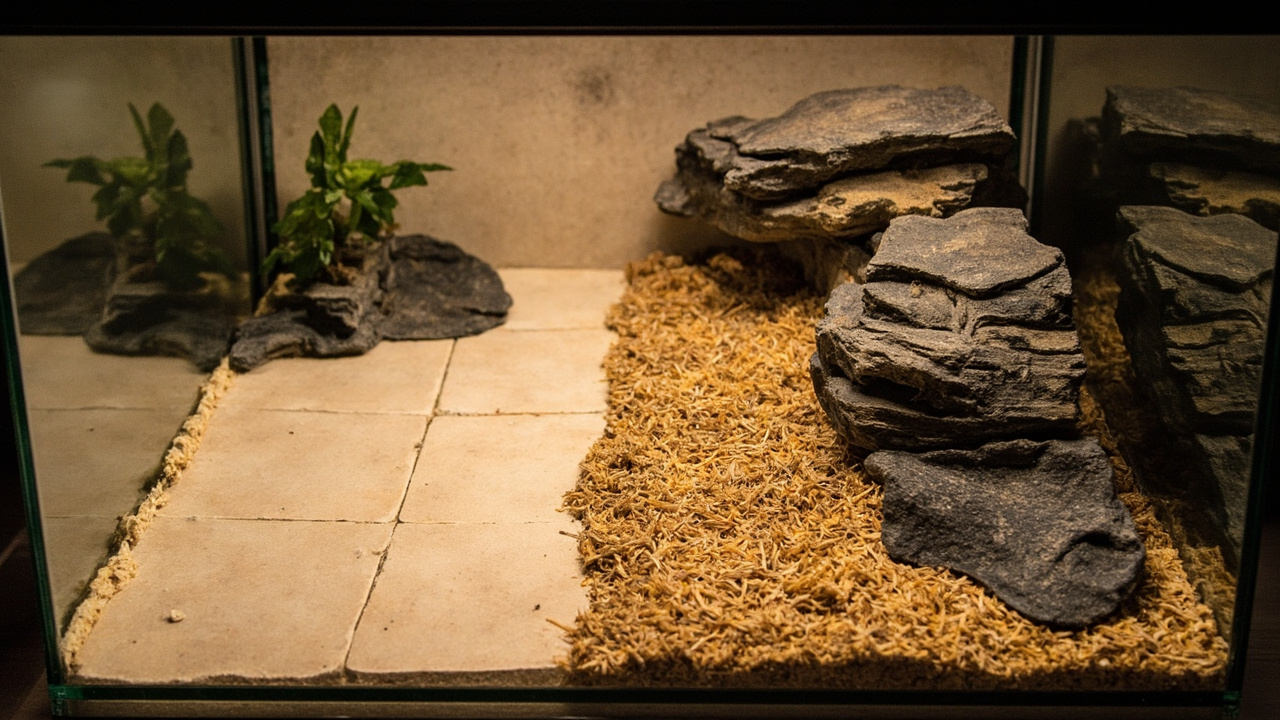
Aspen shavings are the gold standard. A 3-4 inch deep layer lets an adult hognose fully submerge and tunnel across the entire enclosure. The Zoo Med Aspen Snake Bedding 24-Quart ($22.98) is shredded aspen — it’s low-dust, holds burrow structure well, and one bag covers a 20-gallon with 3-4 inch depth. Spot-clean waste weekly and fully replace every 2-3 months. For more substrate options, see our substrate selection guide.
Substrates to avoid:
- Pine and cedar — aromatic phenols are toxic to snakes and cause respiratory damage
- Sand or calci-sand — impaction risk is real when prey drags through it
- Reptile carpet — impossible to clean properly and harbors bacteria in the fibers
- Coconut husk — holds too much moisture for an arid species
- Bark chips — too coarse for burrowing
Humidity Management
Target 30-50% humidity. Hognose snakes come from the dry plains, not the rainforest — damp substrate leads to scale rot and respiratory infections.
During shed cycles, raise the humidity temporarily to 50-60%. The cleanest method: a plastic container with a hole cut in the lid, filled with damp sphagnum moss, placed over the warm-side heat mat. Your snake will find it and use it. Don’t mist the enclosure. Don’t pour water into the aspen. A humid hide isolates the moisture to one spot while keeping the rest of the substrate dry.
The same Vodolo 2-pack monitors humidity alongside temperature — one probe each side, check them weekly.
Feeding
Hognose snakes are toad specialists in the wild. Their rear fangs are specifically shaped to deflate toads that inflate as a defense mechanism. In captivity, however, captive-bred hognose snakes take frozen-thawed rodents readily — the vast majority eat mice from their first meal.
Prey Size and Schedule
The rule: feed a mouse roughly the same width as the widest part of the snake’s body.
| Stage | Prey | Frequency |
|---|---|---|
| Hatchling (0-6 months) | Pinky mouse | Every 5-7 days |
| Juvenile (6-12 months) | Fuzzy / hopper mouse | Every 7-10 days |
| Adult (1+ year) | Adult mouse | Every 10-14 days |
For hatchlings and juveniles, the imagitarium Frozen Pinkie Mouse, Medium, Count of 25 ($18.49) is a convenient supply — two boxes cover most of the first year. Thaw frozen mice in warm water (not a microwave — hot spots rupture the mouse and cause regurgitation) and offer with tongs.
Always use feeding tongs. The ALLWIN 2-Pack Reptile Feeding Tongs 10” & 11.8” ($4.99) separates your hand scent from the prey scent. Hognose snakes hunt by smell — if your hand smells like mouse, they’ll investigate. A feeding bite from a rear-fanged snake isn’t dangerous, but it’s unpleasant and usually causes local swelling.
Never feed live prey. Live rodents bite back, and a mouse bite on a snake is an expensive infection waiting to happen. Frozen-thawed is safer, more humane, and what every reputable hognose breeder uses.
The Toad vs Rodent Issue
Some hognose snakes — especially wild-caught imports — refuse rodents. This is the single biggest feeding challenge with the species. If you have a problem feeder, scenting the rodent with a toad (a specific technique involving rubbing the mouse against a toad’s skin) is used by breeders, but it’s not something most home keepers can do easily. The solution: buy from a breeder who confirms their snakes are feeding on frozen-thawed rodents before purchase. Reputable breeders guarantee this.
If your hognose refuses a meal during shed, don’t panic — skip that feeding and try again after the shed finishes. If they refuse for 4+ weeks outside of a shed cycle, see a reptile vet. The same feeding approach works for ball pythons, though hognose snakes are far less likely to go on extended hunger strikes.
Hides and Decor
Two hides. Warm side, cool side. Identical in shape and size. This is not negotiable — a snake without a hide on both sides has to choose between thermoregulation and security.
The Mygeromon Reptile Hides Leopard Gecko Hideout 2 Pack ($8.99) gives you two natural-resin caves with a single entrance — hognose snakes prefer a snug, dark, single-entry structure they can back into. Place one directly over the warm-side heat pad and the other on the cool side.
Beyond the hides:
- Water bowl: A heavy ceramic dish that the snake can’t tip over. The Exo Terra Water Dish, Large ($19.99) is shallow enough for safety and heavy enough that a burrowing snake won’t push it around. Place it on the cool side to keep humidity from spiking on the warm end.
- No heat rocks (already mentioned, worth repeating).
- No UVB lighting required (they’re fossorial and don’t bask).
- Clutter: A few fake plants or flat stones on the surface give your hognose cover when it surfaces. They like to cruise the top of the substrate at dawn and dusk.
Handling and Temperament
Hognose snakes have a reputation for dramatic defensive behavior, but this fades quickly with regular handling. A well-socialized hognose is docile, curious, and rarely attempts to bite.
Expect the theatrics when you first bring one home. They’ll hiss, flatten their neck into a cobra-like hood, and mock-strike (a fast lunge with a closed mouth). If that doesn’t work, they roll onto their back, open their mouth, and play dead — convulsions, tongue hanging out, the full production. This is harmless. It stops once they realize you’re not a predator. On the handling front, same rules apply as with other colubrids — the corn snake care guide covers the technique in detail.
Handling guidelines:
- Wait 5-7 days before handling a new snake — let them eat twice first
- Wait 48-72 hours after feeding before handling (prevents regurgitation)
- Start with 5-minute sessions, 2-3 times weekly, building to 15-20 minutes
- Support the body with both hands — don’t grab from above
- Avoid handling during the blue phase of a shed — vision-impaired snakes are jumpy
Regarding venom: hognose snakes are rear-fanged, meaning the venom-delivering teeth are at the back of the upper jaw. They cannot inject venom through a quick bite the way a front-fanged viper can — they have to chew. Defensive bites are quick and dry (no venom). Feeding bites happen when they grab the tongs by mistake, and that’s where envenomation is possible. Symptoms in humans are mild: local swelling, itching, and a tingling sensation lasting 6-12 hours. No human fatality has ever been recorded from a hognose bite.
Health and Shedding
Hognose snakes are hardy when kept correctly, but their arid, fossorial lifestyle means certain health issues are specific to them.
Shedding: Juveniles shed every 2-4 weeks, adults every 4-6 weeks. The eyes cloud over (blue phase), then clear 24-48 hours before the shed. Hognose snakes typically shed in one piece when humidity is adequate. If the shed comes off in patches, add the humid hide (damp moss container on the warm side). Stuck eye caps need a vet if they persist through two shed cycles.
Common health issues include:
- Respiratory infection — caused by cold temperatures (below 75°F warm side) or humidity above 60%. Symptoms: wheezing, open-mouth breathing, mucus at the nostrils. Fix: raise temperatures to 90°F warm side and lower humidity. If symptoms persist 48+ hours, see a vet.
- Obesity — hognose snakes gain weight easily if overfed. A female that’s kept on a hatchling feeding schedule past her first year will become overweight. Adjust prey size as they grow.
- Snake mites — black specks around the eyes and under the chin. Treat with a lukewarm soak, full substrate replacement, and enclosure disinfection. Repeat weekly.
- Regurgitation — prey too large, too cold, or the snake handled too soon after feeding. Wait 14 days before the next feeding attempt. If regurgitation happens twice in a row, see a vet.
When to see a vet: Repeated regurgitation, prolonged anorexia (4+ weeks outside of shed), stuck eye caps across multiple sheds, open-mouth breathing that doesn’t resolve with temperature correction, or any visible injury. Find a reptile vet before you need one — the Association of Reptile and Amphibian Veterinarians directory is a good starting point.
For more on the relationship between diet and wellness, the corn snake care guide shares the same prey-sizing logic that applies to hognose snakes.
Morphs and Colors
Hognose snakes have exploded in captive breeding over the last decade. The available morphs rival ball pythons in diversity, but the selection is driven by smaller breeder operations. Prices range from $75 for a normal wild-type to $1,000+ for rare Arctic and Lavender combinations.
| Morph | Description | Typical Price Range |
|---|---|---|
| Normal/Wild-type | Brown body with dark dorsal blotches | $75-$150 |
| Albino | White/yellow body with red-orange blotches | $150-$300 |
| Anerythristic | Black/white/gray, no red pigment | $200-$400 |
| Snow | Albino + Anery = white with faint yellow | $300-$500 |
| Toffee-Belly | Lighter belly with reduced pattern | $250-$450 |
| Arctic | Reduced black, silver-gray tones | $400-$800 |
| Super Arctic | Homozygous Arctic — extreme silver-white | $800-$1,500 |
| Conda | Patternless or reduced pattern | $300-$600 |
| Axanthic | Gray tones, no yellow pigment | $250-$500 |
| Lavender | Soft purple-gray body | $400-$700 |
Reptile expos and MorphMarket are the best sources. Most breeders ship safely with heat packs in cooler months. A common concern for first-time buyers is handling shedding with special-needs morphs — the ball python care guide covers the same principles that apply: humidity management is the main variable, regardless of morph.
Lifespan and Commitment
A hognose snake is a 15-20 year commitment — some individuals live past 22 years with excellent care. This is comparable to adopting a cat or small dog. They require weekly feeding, daily temperature checks, monthly substrate cleaning, and full enclosure deep-cleans every 2-3 months. Travel requires a reptile-savvy sitter who understands frozen-thawed thawing protocols and heat pad thermostat operation.
The initial setup cost runs around $250-$450 for the enclosure, heating, substrate, and decor — the products listed in this guide total approximately $450 for a complete 20-gallon setup including food. Monthly costs are low: a bag of frozen mice ($18-$25) and occasional substrate replacement.
If you’re deciding between a hognose and another beginner reptile, the choice comes down to personality. A corn snake or ball python is more forgiving of temperature mistakes. A leopard gecko is easier to feed. But no other reptile will play dead for you. That alone makes the hognose worth considering — provided you’re ready for the 15-year ride.