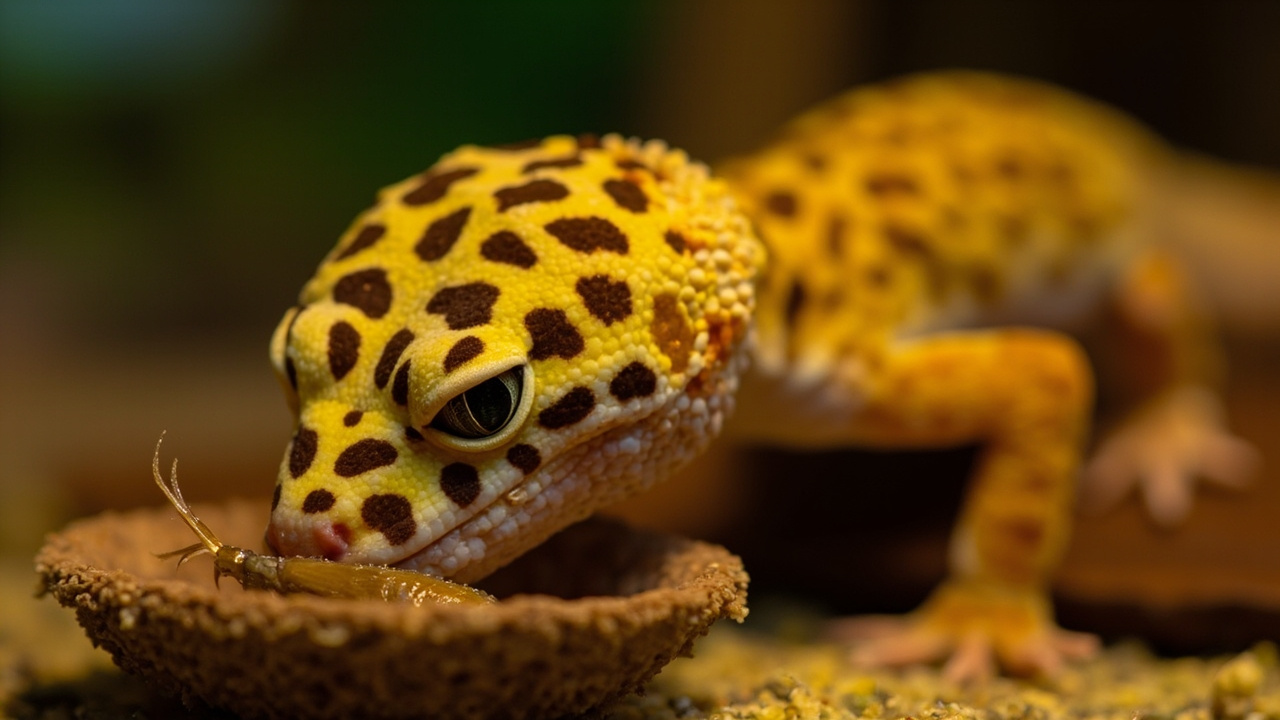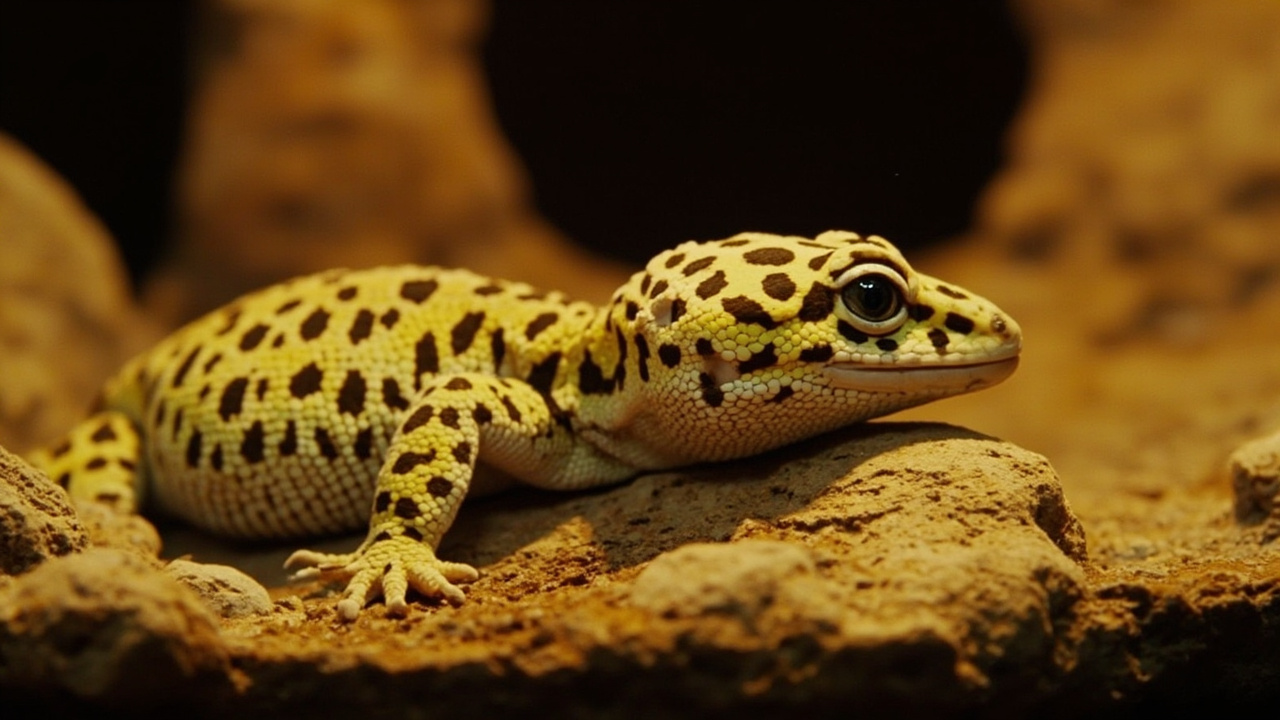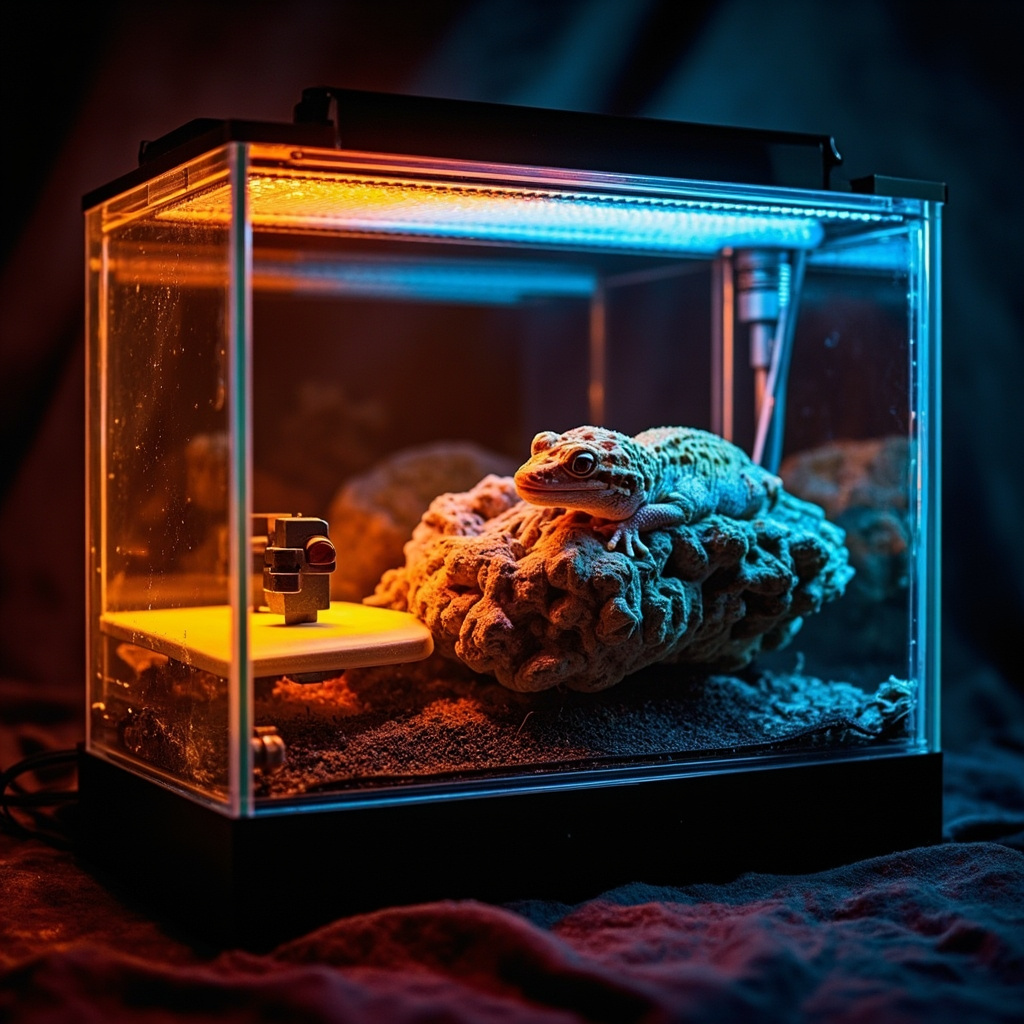
Do Leopard Geckos Need UVB?
For decades, keepers debated whether leopard geckos need UVB lighting. In the wild, these nocturnal lizards hide in rock crevices during the day and emerge at dusk — so direct sun exposure is minimal. However, research into the Ferguson Zone system has changed how herpetoculturists think about UVB for crepuscular species.
What the Science Says
Leopard geckos still receive ambient UVB in their natural habitat. They bask in low-level sunlight at dawn and dusk, and even brief exposure allows their skin to synthesize vitamin D3. Studies published in the Journal of Zoo and Wildlife Medicine confirm that leopard geckos maintained under low-level UVB show better calcium absorption and stronger bone density than those kept without any UVB.
This does not mean leopard geckos need bright, intense lighting. They are not desert baskers like bearded dragons. The difference matters when selecting equipment.
Ferguson Zone 2 — Natural UVB Exposure
The Ferguson Zone system classifies reptiles by their natural UVB exposure. Leopard geckos fall into Ferguson Zone 2 (shade dwellers). This means they evolved to process low, indirect UVB — not the intense output of desert-zone bulbs.
A Zone 2 reptile needs UVB levels between 0.4 and 1.0 UVI at the basking spot. Choosing a bulb designed for this zone prevents both deficiency and overexposure. For a detailed breakdown, see our leopard gecko temperature guide.
UVB Bulb Types for Leopard Geckos
Not all UVB bulbs are safe for leopard geckos. Using a bulb that is too powerful can damage their eyes and cause chronic stress. Below are the two recommended types and one to avoid.
Compact Fluorescent UVB (Best for Beginners)
Compact fluorescent bulbs screw into standard dome fixtures, making them the easiest option for new keepers. The Zoo Med ReptiSun 5.0 Mini Compact emits 5% UVB output, which sits at the upper end of the Zone 2 range when positioned correctly.
A 13-watt compact bulb is sufficient for enclosures up to 30 gallons. Pair it with the Zoo Med Deluxe Porcelain Clamp Lamp, which has a porcelain socket that handles the heat from both the UVB and any heat bulb you run alongside it.
Compact fluorescents lose UVB output over time. Replace the bulb every 6 months even if it still produces visible light.
T5 HO Linear UVB (Advanced)
The Arcadia ShadeDweller ProT5 Kit is a linear T5 fixture specifically engineered for Ferguson Zone 1-2 reptiles. It emits 2.4% UVB with a built-in reflector that distributes light evenly across the enclosure.
This is the more expensive option but provides consistent, low-level UVB across a larger area. It is ideal for enclosures 36 inches or longer. The kit includes the fixture and tube, so no separate lamp purchase is needed.
One advantage of linear T5 fixtures is that they cover the full length of the warm zone, creating a gradient from higher UVB directly under the tube to lower UVB at the edges. This mimics the natural transition between sun-exposed rock surfaces and shaded crevices, giving the leopard gecko more control over its exposure level.
What to Avoid
Avoid mercury vapor bulbs and high-output T5 HO tubes rated 10% or higher. These produce UVB levels intended for Zone 3-4 desert species and will overload a leopard gecko’s system. Mercury vapor bulbs also generate intense heat, making it difficult to maintain the thermal gradient a leopard gecko needs.
Signs of UVB toxicity include closed eyes, dark coloration, and refusal to eat. If you are unsure which bulb to choose, start with a compact fluorescent — it is harder to overdose with lower output.
How to Set Up UVB Lighting
Placement Distance
UVB output decreases rapidly with distance. A bulb rated at 5% UVB delivers safe levels at 8 to 12 inches but becomes excessive at 4 inches or ineffective at 18 inches.
For compact fluorescents: mount the fixture so the bulb surface is 8 to 12 inches above the gecko’s basking surface. For the Arcadia ShadeDweller kit, follow the included distance guide — typically 10 to 14 inches.
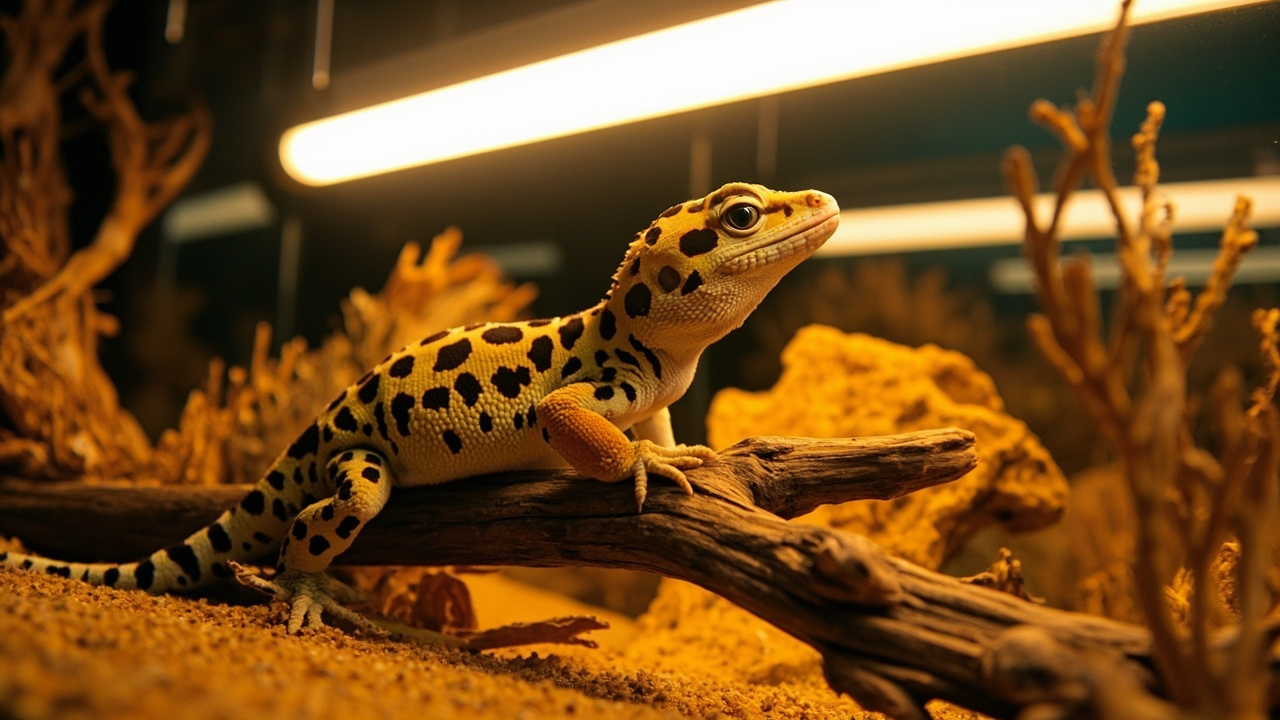
The UVB bulb should be on the warm side of the enclosure, above the basking area. This allows the gecko to self-regulate by moving between the basking zone (with UVB) and the cool hide (without UVB). If you are setting up a new tank, our terrarium selection guide covers enclosure layouts in detail.
Timer Schedule (10-12 Hours)
Leopard geckos need a consistent day-night cycle. Set the UVB light on a timer for 10 to 12 hours per day, ideally matching sunrise and sunset times adjusted to your schedule.
The G-Homa Mechanical Timer Outlet is a simple plug-in solution. Set it once and the UVB turns on and off at the same time every day without intervention.
Avoid extending UVB hours beyond 12. Extended exposure pushes the animal past its natural photoperiod and can disrupt circadian rhythms and feeding behavior.
Using a Clamp Lamp or Fixture
For compact fluorescents, a clamp lamp with a porcelain socket is required. Ceramic or plastic sockets can crack under the heat. The clamp should be secured to the enclosure rim or a nearby shelf — never positioned where the gecko can touch the bulb.
For linear T5 fixtures, mount the kit to the enclosure hood or suspend it above the mesh lid. Ensure there is a mesh or screen between the bulb and the gecko to prevent direct contact.
If your heat source and UVB source share a fixture, consider reading our lighting and heat setup guide for combined installation tips.
When using a screen lid, be aware that mesh blocks a significant portion of UVB — standard aluminum window screen absorbs roughly 30% of UVB output. Glass and plastic block nearly all UVB and should never be placed between the bulb and the gecko. If your enclosure has a tight-fitting solid lid, you will need to cut a section and replace it with mesh, or mount the fixture inside the tank with a wire guard.
UVB and Vitamin D3
How D3 Synthesis Works
When UVB radiation reaches a reptile’s skin, it converts a cholesterol derivative (7-DHC) into previtamin D3. The body then processes this into active vitamin D3, which enables calcium absorption in the gut.
Without adequate D3, calcium passes through the digestive system unabsorbed. Over time, the body pulls calcium from bone reserves, leading to metabolic bone disease (MBD). MBD causes soft, deformed bones, tremors, and in severe cases, death. Juvenile leopard geckos are especially vulnerable because they are growing rapidly and need more calcium per gram of body weight than adults.
Female leopard geckos developing eggs require even higher calcium intake. Without sufficient D3, egg-laying females can become egg-bound or produce eggs with soft shells. UVB lighting paired with proper supplementation significantly reduces these risks.
D3 Supplementation vs. UVB Exposure
There are two ways to ensure your leopard gecko gets enough D3:
- UVB exposure — lets the gecko produce D3 naturally through the skin
- D3 supplements — added to feeder insects via dusting powders
Both methods work, and many keepers use them together. A light dusting of calcium with D3 at every other feeding covers the gap between UVB sessions. Popular products include Rep-Cal Calcium with D3, which we recommend in our leopard gecko diet guide.
If you cannot provide UVB — for example, in a rack system — D3 supplementation becomes mandatory. Dust insects with a D3-containing supplement at every feeding. Without either UVB or dietary D3, deficiency is only a matter of time.
Common UVB Mistakes
Signs of Too Much or Too Little UVB
Too little UVB (deficiency): lethargy, soft jaw, swollen limbs, difficulty shedding, and poor appetite. These overlap with general calcium deficiency symptoms. If you notice these signs and are already supplementing D3, check whether your UVB bulb is expired or positioned too far away. A common mistake is replacing the heat bulb while forgetting the UVB bulb — both have limited lifespans, but UVB output degrades faster than visible light.
Too much UVB (toxicity): eyes kept closed even while awake, hiding more than usual, darkened skin color, and stress-related weight loss. The gecko may spend all daylight hours pressed against the cool side of the enclosure, refusing to use the basking area. If you see these signs, remove the UVB bulb immediately and consult a reptile veterinarian.
For help calculating the right distances, our UVB distance calculator estimates safe placement based on bulb output percentage.
A proper shedding cycle also depends on correct humidity and temperature — topics covered in our leopard gecko shedding guide. UVB supports overall health but must work alongside a complete environment.
Some keepers also choose to provide a separate calcium dish in the enclosure. A small dish of plain calcium powder (without D3) allows the gecko to self-regulate intake by licking the powder as needed. This is a helpful supplement but does not replace the need for D3 — either through UVB exposure or through D3-fortified supplements at feeding time.
Medical Disclaimer: This article is for informational purposes only and does not replace professional veterinary advice. If your reptile shows signs of illness, consult a qualified reptile veterinarian immediately.